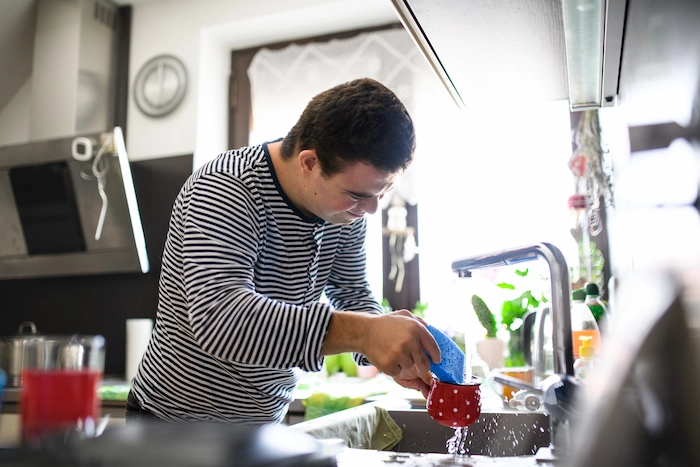
Safe, Supportive Homes for Every Level of Need
We Help People Thrive Where They Live
Our residential programs provide stability, safety, and community. Whether someone needs round-the-clock care or is ready for more independence, we offer homes built around comfort, growth, and dignity.
- Round-the-clock staffing
- Inclusive home environments
- Skill-building routines
- Person-centered planning
24/7 Supervised Residences
Warm, nurturing homes staffed day and night.
- Daily living skill support
- Medication & health coordination
- Social/recreational activities
- Safe, comfortable environment
Independent & Semi-Independent Housing
Live independently with flexible support.
- Budgeting & money management
- Home maintenance & cooking
- Community safety & travel training
- Individualized staffing levels
What Families Can Expect
- Compassionate, trained staff
- Clear communication
- Individualized care plans
- Safe, stable environments
Understanding Minocin's Mechanism: How It Battles Acne-causing Bacteria
Through rigorous testing and experimentation, novel formulations of Minocin have been devised, geared towards optimizing patient outcomes and minimizing potential side effects. It is important to weigh the benefits and potential side effects of Minocin before starting the antibiotic treatment. Patch testing involves applying a small amount of the product to a discreet area of the skin and monitoring for any adverse reactions. Wearing protective clothing and applying broad-spectrum sunscreen with a high SPF can significantly mitigate these risks. Individuals may experience a reduction in self-esteem and confidence, directly affecting their social and professional interactions. Minocin, like any potent medication, requires meticulous attention to dosage for it to be both safe and effective. The success stories attributed to Minocin are a testament to its potential impact on the future of antibiotic treatment.
Minocin's Advantages: Exploring Its Efficacy and Tolerability Profile
This antibiotic exhibits powerful effects in inhibiting the growth and spread of bacteria, ultimately aiding in the treatment of various infectious diseases. Users should discuss their medical history with a healthcare provider to ascertain their risk for adverse effects, and any concerning symptoms should be promptly communicated to a medical professional to ensure safe usage of Minocin. These findings raise significant red flags when considering Minocin's use. This medication belongs to the tetracycline antibiotic class and works by stopping the growth of bacteria that cause acne. Individuals with rosacea often report sensations of stinging, burning, and tightness in their skin. Stick to the recommended dosage and strictly adhere to the schedule.- Be patient: Acne treatment takes time. Preserves antibiotic efficacy.
Potential Challenges and Ethical Considerations in Minocin Research
One area where Minocin shows particular promise is in the field of oncology. It has shown efficacy in treating a range of infections caused by drug-resistant strains, such as methicillin-resistant Staphylococcus aureus (MRSA) and extended-spectrum beta-lactamase (ESBL)-producing Enterobacteriaceae. However, as with any antibiotic, adherence to the prescribed regimen is crucial for achieving and maintaining optimal results. What sets Minocin apart is its anti-inflammatory effects that contribute significantly to reducing the skin redness and swelling that often accompany acne lesions, providing a multi-faceted approach in managing the condition. First, avoid OTC products that might irritate your skin. However, it is important to note that minocin should be used under the guidance of a healthcare professional, as it may have potential side effects and interactions with other medications. Dermatologists frequently turn to Minocin for its reliable efficacy in quelling the stubborn insurgence of acne vulgaris, the most common form of acne.
Real Users' Experiences with Minocin Results
Although Minocin is generally well-tolerated, there are some potential adverse effects that should be addressed. By influencing cytokine production, Minocin indirectly preserves collagen from unnecessary degradation during inflammatory processes, facilitating a smoother healing process. Minocin, while a powerful acne-fighting antibiotic, is not without its precautions and contraindications. In conclusion, the evolution of Minocin from laboratory investigations to significant clinical breakthroughs has revolutionized patient health management. Developed in the late 1960s, Minocin quickly gained popularity due to its efficacy in combating acne vulgaris. Unlike many over-the-counter options that solely target surface-level symptoms, Minocin delves deep, attacking the acne at its bacterial source. This elixir disrupts the bacterial protein synthesis process, inhibiting their growth and proliferation.
Side Effects Showdown: Minocin Pros and Cons
Comparatively, antibiotics like penicillin are narrower in their spectrum, chiefly targeting Gram-positive organisms, and are less effective against the intracellular pathogens that minocycline can reach. One of the standout features of Minocin is its broad spectrum activity, meaning it is effective against a wide range of bacteria. Neurological reactions are also troubling facets of Minocin's adverse effect profile. A recurring theme in these testimonials is the relief from the psychological burden that acne so often carries. This reaction is not unique to Minocin but is indeed a potential risk when undergoing treatment with tetracyclines. However, like any medication, it is essential to be aware of the potential side effects and take necessary precautions before starting the treatment. This antibiotic has been found to possess anti-inflammatory properties, making it valuable in the treatment of inflammatory diseases such as rheumatoid arthritis and acne.
Integrating Minocin into Rosacea Treatment Plans
Despite its efficacy, the use of Minocin is tempered by the consequences of prolonged or inappropriate use, which can lead to selection for resistant bacterial strains. This breakthrough characteristic allows Minocin to directly target and attack the root cause of Lyme disease, facilitating a more comprehensive treatment approach. Understanding the extent of minocin's influence on the gut microbiome is crucial for patients and healthcare providers to develop strategies for maintaining a healthy gut during and after treatment. Targets acne-causing bacteria. Dairy products or antacids can also impede Minocin’s absorption, making it less effective. As we delve further into the topic of Minocin as a treatment for Lyme disease, it becomes evident that this antibiotic possesses remarkable superpowers. Its adaptability lies in its broad-spectrum antibiotic nature, which enables it to tackle both inflammatory and non-inflammatory acne forms, including nodular and cystic lesions.
Combating Acne with Minocin: Clinical Trial Insights Revealed
By harnessing its power, individuals can achieve a radiant, healthy complexion that lasts. It's essential to take Minocin consistently at the same time each day, with or without food, but avoid dairy products as they can interfere with absorption. When it comes to maintaining and adjusting your skincare routine while incorporating Minocin, consistency is key. However, its therapeutic potential is not without limitations, especially when considering drug interactions. This powerful antibiotic has proven to be a game-changer for patients suffering from this debilitating condition. This targeted approach has proven to be highly effective in combating infections and improving patient outcomes. Minocin's Role.
Cost: Is Minocin Worth the Price?
Currently, Minocin is primarily prescribed for conditions such as acne, respiratory tract infections, and urinary tract infections. In addition, Minocin has a broad spectrum of activity, making it effective against various strains of Borrelia burgdorferi. By interfering with NF-κB activation, Minocin can effectively suppress the expression of genes responsible for inflammation. The delicate balance of the gut microbiome can be profoundly impacted by the use of antibiotics like minocin. However, it is essential to note that the benefits of Minocin treatment often outweigh the risks, and healthcare professionals will carefully assess each patient's suitability for treatment with this antibiotic. Discover the potential of Minocin and transform your skin today. The unpredictable nature of rosacea can lead to constant anxiety and frustration as individuals try to manage and control their symptoms.
Efficacy and Success Rates in Clinical Trials
These real-life success stories are just a glimpse into the transformative effects of Minocin on Lyme disease patients. It is important to consult with a healthcare professional to determine if Minocin is the right choice for your acne treatment. One area where Minocin has shown promise is in the treatment of rheumatoid arthritis. Typically taken in capsule or tablet form, it works by inhibiting the growth and spread of bacteria. When taking Minocin, a commonly prescribed tetracycline antibiotic, it's crucial to be mindful of certain dietary components that can hinder its effectiveness. Regularly assess how your skin is responding to the treatment and communicate any concerns with your healthcare provider for necessary adjustments. Patients who experience severe acne are at a higher risk for developing depression and anxiety, conditions that can create a cycle of stress and skin flare-ups.
Origins of Minocin Antibiotic
Therefore, it is essential for healthcare professionals to carefully consider the use of traditional antibiotics and to keep a close eye on emerging antibiotic resistance patterns in order to provide the most effective treatment options to their patients. With its proven track record, Minocin has become a go-to treatment for dermatologists and individuals seeking an effective and long-lasting solution to their acne concerns. Specifically, Minocin targets the 30S subunit of the bacterial ribosome, preventing the attachment of the aminoacyl tRNA to the mRNA-ribosome complex. Researchers and pharmaceutical companies are actively exploring various avenues to further enhance the efficacy and versatility of this antibiotic superhero. When considering the administration of Minocin, also known as minocycline, it's crucial to be mindful of the timing related to food intake to maximize its effectiveness. This medication has the ability to combat various types of bacterial infections, such as respiratory tract infections, urinary tract infections, and skin infections. Dairy and other calcium-rich foods, such as certain leafy greens and fortified cereals, can bind to the medication, making it less effective.
Buy Zantac No PrescriptionPurchase EstracePurchase Prelone No Prescription